
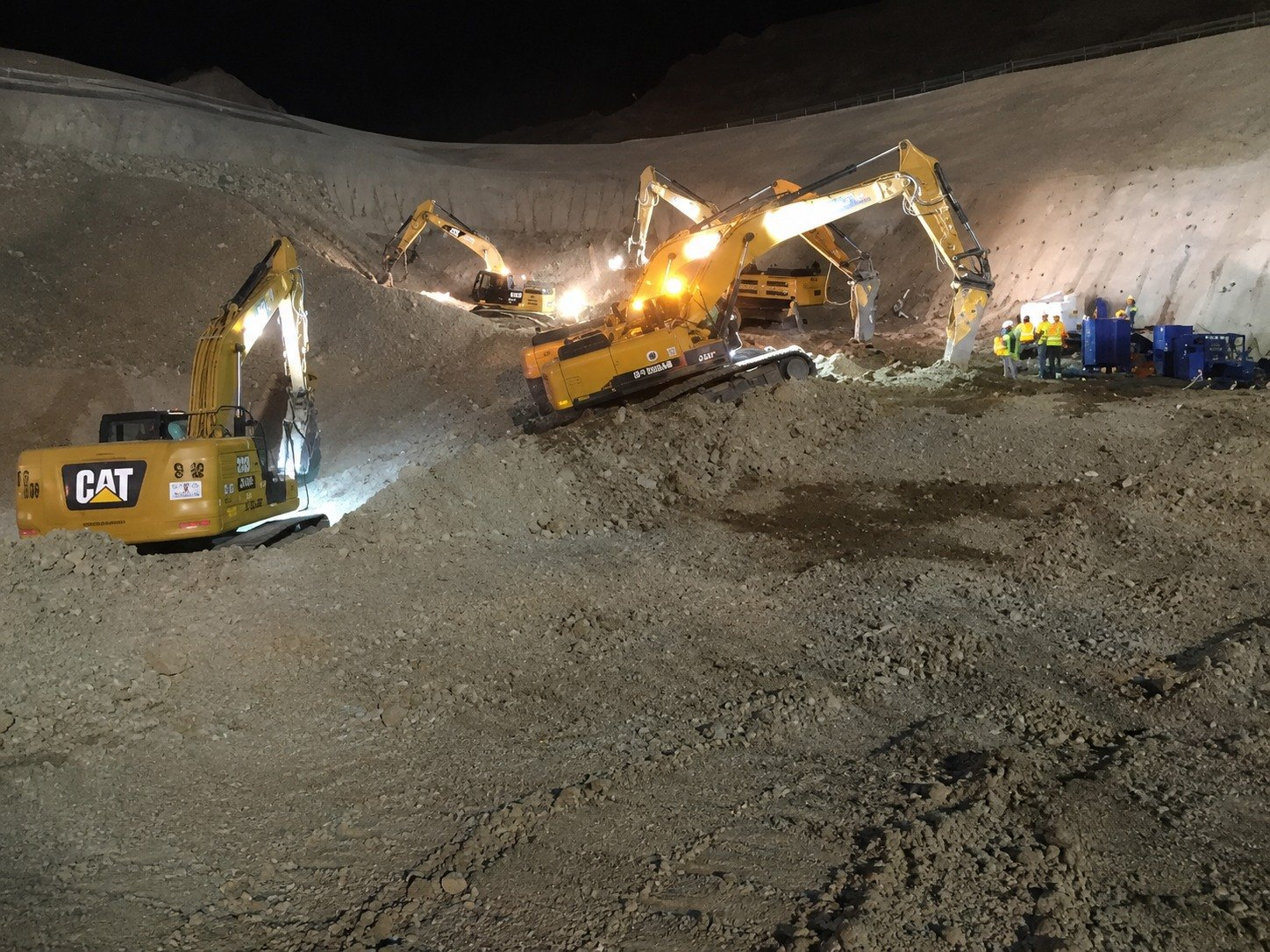
Mechanical rock cutting
Mechanical cutting of weak and weathered rocks
Explosive rock cutting in (medium to hard) rocks, often done in open areas and away from buildings and cities
Chemical rock cutting, a precise method of rock cutting in cities and near buildings
Drilling and blasting currently use many types of explosives with different compositions and performance characteristics.
High-velocity explosives are used for relatively hard rocks to break them up and fracture them, while low-velocity explosives are used for softer rocks to generate greater gas pressure and a stronger vibrational effect. For example, an early 20th-century blasting manual compared the effects of black powder to the wedge effect and dynamite to the hammer effect.
القطع الصخرى ميكانيكياً
القطع الميكانيكي للصخور الضعيفة والمتآكلة
قطع الصخور بالمتفجرات في الصخور (المتوسطة إلى الصلبة)، وغالبًا ما يتم ذلك في مناطق مفتوحة
وبعيدًا عن المباني والمدن
قطع الصخور بالمواد الكيميائية، وهو قطع دقيق للصخور في
المدن وأقرب المباني
يستخدم الحفر والتفجير حاليًا أنواعًا عديدة من المتفجرات
ذات تركيبات وخصائص أداء مختلفة.
تُستخدم المتفجرات عالية السرعة للصخور الصلبة نسبيًا من أجل
تفتيتها وتكسيرها، بينما تُستخدم المتفجرات منخفضة السرعة في الصخور اللينة
لتوليد ضغط غاز أكبر وتأثير اهتزازي أقوى. على سبيل المثال، قارن دليل تفجير من أوائل القرن العشرين تأثيرات
البارود الأسود بتأثير الوتد، والديناميت بتأثير المطرقة.